









How to Save for Retirement and other Financial Goals


Anyone who wishes to become financially stable or is looking to build a corpus in the long run needs to understand financial planning. If you do not have any defined set of financial goals, you may end up spending more than you need, and this is not a good sign for anyone who wants to build a decent corpus over the long term. Overspending leads to a debt ridden life and soon you will find yourself getting chased by credit card companies trying to recover the funds you spent because you felt it was alright to do so.
You do not want to live a debt ridden life because when it comes to paying emergency bills, you will be left vulnerable and helpless. Thus prioritizing your financial goals and updating them annually might help you remain invested in the right type of schemes. In case you have never set financial goals before, this is the opportunity to articulate them and establish your goals thoroughly.
A lot of people fail to understand that retirement planning is a part of financial planning. While setting long term financial goals, it would be advisable if you add retirement planning and keep it on priority. If you are someone who wishes to give their investments a slightly aggressive approach, you may consider investing in solution oriented schemes like retirement funds.
Always have an investment budget
If you want to create wealth in the long run, you will have to understand your current financial health. For this you may have to establish your personal financial budget. If you want to have a decent investment budget you may have to start keeping a tab on your expenses. The more you spend, the lesser your investment budget. So apart from recurring expenses like house rent, utility bills, grocery shopping, etc. try to keep all the other unwanted expenses to a minimum. Find a way to keep a track on your spendings and make sure that you are saving a decent portion of your monthly income. For example if you are earning Rs. 50,000 per month out of which Rs. 20,000 goes in house rent, utility bills, groceries and daily commuting, make sure that the remaining Rs.30,000 is saved out of which you can invest Rs. 20,000 per month and keep Rs. 10,000 for emergency.
This is just an example and every individual’s expenses will be different and so will be their investment budget, but if you want to build a retirement corpus in the long run, you will have to start investing soon.
Get rid of all your debts
When planning for retirement it is better if you do not have any unpaid dues. If you have multiple credit card bills then you can pay the minimum due so that it doesn’t affect your investment budget. But honestly speaking sooner or later your debts are going to burn a deeper hole in your pocket and a time will come when your debts will completely eat up your investment budget. So the sooner you become debt free, the better it is from retirement planning’s point of view.
Make sure that you diversify your investment portfolio
If you are investing in mutual funds for meeting your financial goals like retirement planning or any other short term or long term goals, make sure that you do not keep all your eggs in one basket. Portfolio diversification is nothing but spreading your finances in different asset classes in order to minimize the overall risk of your investment portfolio. A simple example (and this should only be considered as an example) of portfolio diversification can be investing 80 percent in equity and 20 percent in debt funds. The equity part may help you with capital appreciations while debt balances the risk. But like we said, these things are only hypothetical and you should consult a financial advisor if you are uncertain on how to diversify your investment portfolio.
Start a mutual fund SIP
If you really want to start saving for post retirement life, you can consider starting a mutual fund SIP. A systematic investment plan or SIP is an easy and hassle free way of investing in mutual funds without having to physically visit the fund house. With SIP, all you need to do is instruct your bank and every month, a fixed amount is deducted from your savings account and electronically transferred to your mutual fund. SIPs are usually monthly, thus allowing investors an opportunity to buy units at different NAV price points every month. Not only does one benefit from rupee cost averaging, but if you remain invested for the long run, you may even benefit from compounding.
So how are you going to save for meeting your financial goals like retirement planning? Axis Retirement Fund is an open-ended mutual fund that is specifically focused on investors who are looking to build a corpus for a financially stable and secured post-retirement life. If you are someone who is completely new to mutual funds and investing in general, make sure that you seek some professional help.
Axis Retirement Fund - Aggressive Plan
An open-ended retirement solution oriented scheme having a lock-in of 5 years or till retirement age (whichever is earlier)
Axis Retirement Fund - Dynamic Plan
An open-ended retirement solution oriented scheme having a lock-in of 5 years or till retirement age (whichever is earlier)
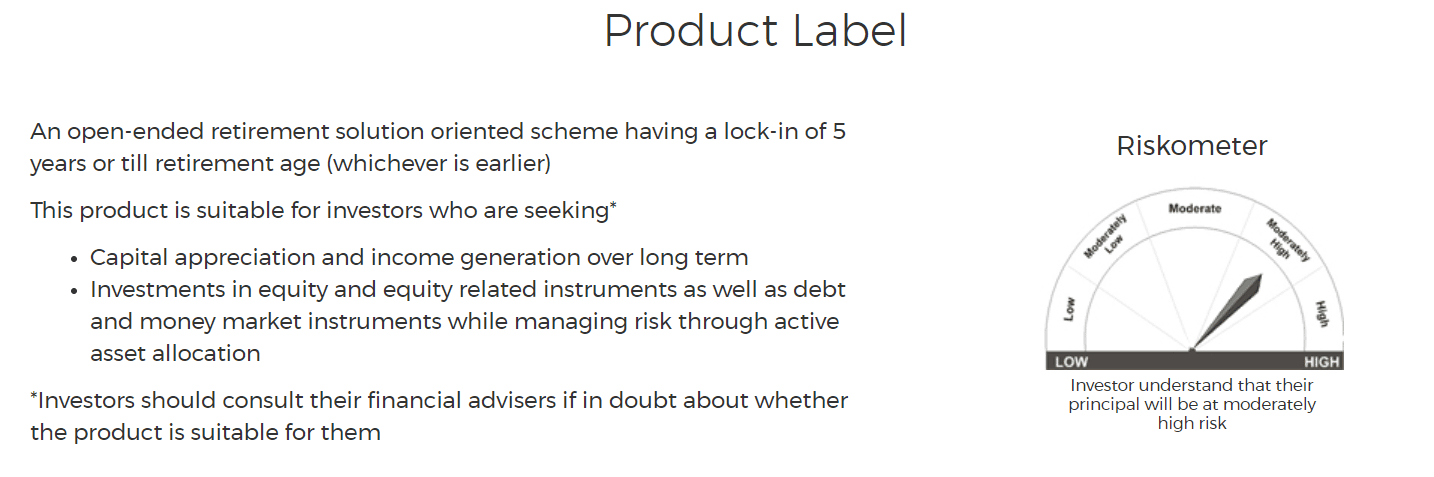
Axis Retirement Fund - Conservative Plan
An open-ended retirement solution oriented scheme having a lock-in of 5 years or till retirement age (whichever is earlier)
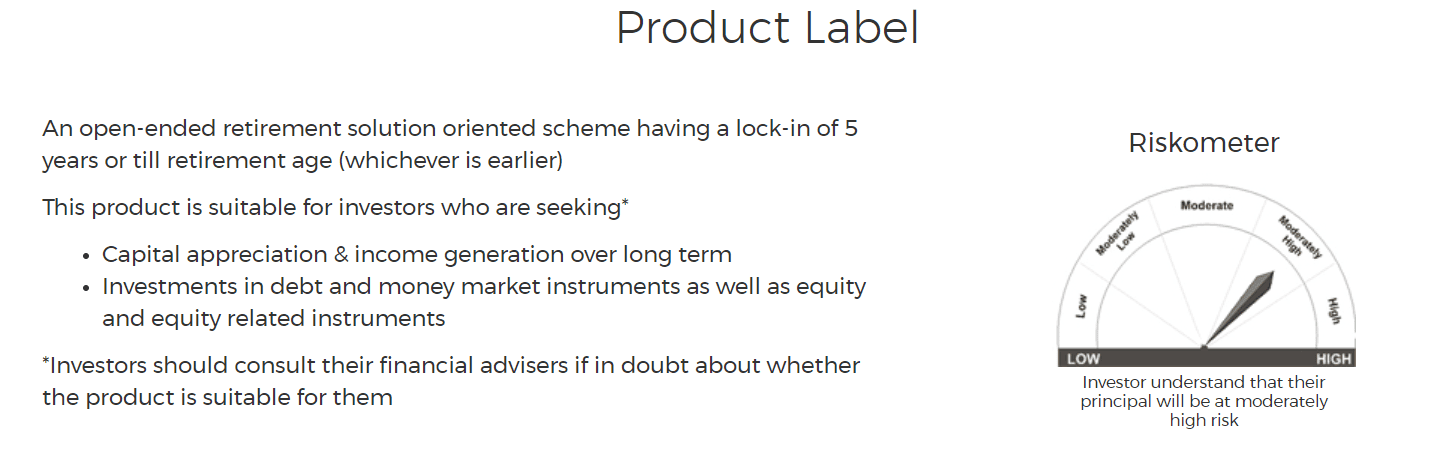
Mutual Fund Investments are subject to market risks, read all scheme related documents carefully.
Calculator
View All








Mutual fund investments are subject to market risks, read all scheme related documents carefully.
Copyrights  2020. All rights reserved Axis Mutual Fund.
Privacy | Terms | Disclaimer | Sitemap