









Dynamic Funds: 5 Reasons to Invest in Them


There are a plethora of investment options to choose from here in India. But the major concern a retail Indian investor has is, “Which investment avenue shall I put my hard earned money in?” Whether you are self-employed or a salaried individual, if you want to become financially stable or are looking to improve your existing financial condition then you may have to get better with financial planning. Having a realistic set of goals is necessary because then you get a clear idea about how and where to spread your finances in order to increase your chances of earning some gains through investing.
Just like having a defined set of short term and long term goals is essential in financial planning, understanding your risk appetite is necessary too. Risk appetite is an investor’s capacity to invest in a scheme carrying a certain amount of risk with the hope of fetching some capital appreciation through that investment. Every investment scheme carries a different risk profile and hence it is advisable that investors first understand how much risk they are willing to take with their finances before investing their hard earned money.
There are some individuals with zero risk appetite. For such people, it is usually better to settle with a low fixed interest rate offering schemes. However, those investors who are looking to give their investment portfolio an aggressive touch might consider investing in mutual funds.
Today we are going to focus on mutual funds and dynamic mutual funds. If you wish to find out more about dynamic funds, continue reading.
What are dynamic funds?
Mutual funds are further categorized based on certain unique attributes as equity, debt, hybrid, ETFs, solution oriented, FoFs, etc. Dynamic mutual funds come under hybrid funds. Hybrid funds usually invest in both equity and debt related instruments. Dynamic equity funds too, have a mix of both equity and debt related instruments in their portfolio. Dynamic equity funds usually follow an investment strategy where the fund manager buys fewer securities when the markets are high and more when the markets are low.
Five reasons why one may consider investing in dynamic funds
You can invest in dynamic funds according to your convenience
One good thing about dynamic funds is that they do not come with a lock-in period. This means that the investor can withdraw their dynamic fund units on any business day without having to remain committed to them for any fixed tenure. This also means that dynamic fund investments offer investors with some flexibility as they can buy or sell their units according to their own convenience.
Dynamic funds offer diversification
Like we mentioned before, dynamic funds invest in both equity and debt related instruments. This means that the portfolio that a dynamic fund carries is spread across multiple asset classes, thus not only offering diversification but also bringing down the overall risk of the investor’s mutual fund portfolio.
You can invest in dynamic funds via SIP or lumpsum payment
Those who have surplus cash parked with them may opt for lumpsum investment in dynamic funds. When you make a lumpsum payment, you pay the entire investment amount at the beginning of the investment cycle. Investors who make a lumpsum payment towards dynamic funds are allotted more number of units in quantum with the investment amount and the fund’s existing NAV. On the other hand, those who want to give their investments a systematic approach may opt for SIP investment. With SIP, you can continue investing in dynamic mutual funds from the comfort of your mobile phone or laptop. One may continue investing in dynamic funds until their investment objective is achieved.
Dynamic funds are available in growth and IDCW option
If you are investing in dynamic funds for regular income then you may go with the IDCW option. In the IDCW option, investors receive IDCW in the form of bonuses when the scheme makes profits. On the other hand, if you are investing in dynamic funds for the long run, you may go with the growth option. In the growth option, the profits made by the scheme are invested back in the fund. It is said that in the long run, they may lead to the rise of the NAV of the fund.
Now that you are aware of dynamic funds, plan on investing? If you still need any further assistance then it is better to consult a professional advisor.
Axis Dynamic Equity Fund
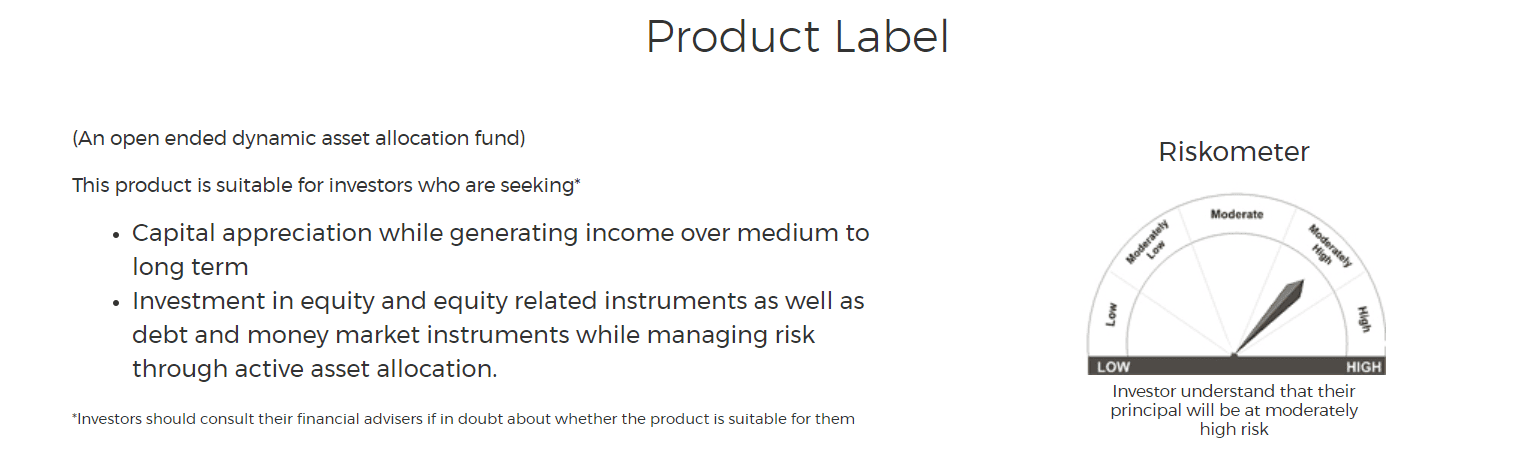
An open ended dynamic asset allocation fund
Mutual Fund Investments are subject to market risks, read all scheme related documents carefully.
Calculator
View All








Mutual fund investments are subject to market risks, read all scheme related documents carefully.
Copyrights  2020. All rights reserved Axis Mutual Fund.
Privacy | Terms | Disclaimer | Sitemap