







7 Factors to Consider While Planning for Your Retirement


Retirement planning is essential and should be considered by almost everyone at an early stage of their professional life. That’s because post retirement is a journey in an individual’s life where he/she wants to get away from all the struggles of life and spend his/her sunset years in calmness and peace without bearing any financial burdens. But to enjoy a peaceful retirement life later in life, you might have to consider starting retirement planning sooner.
That is because the early you start, the better it is because then, you stand a chance to save more. Planning your retirement at an early stage in life might buy you more time and also help you build a decent retirement corpus.
For any individual who wishes to understand how to start planning for retirement, the primary thing any financial advisor would suggest is to identify how much corpus they wish to build. Basically, the very first thing to do is to understand your financial goal. That’s because your financial goal might differ from your spouse’s, and it is completely acceptable because every individual has a different financial goal. It totally depends on why you need that corpus.
For example, your spouse may already have a pension scheme in her / his investment portfolio, whereas, you might not. Also, what individuals should not forget is to keep their existing investments in mind before jumping on any further investment decisions. If you already have a few investments which can potentially help you build retirement corpus, there might be other things for which you might have to invest. For example, you might be planning to invest so that you can afford to send your child overseas for higher education and also, would want to secure their future with the money you are trying to accumulate.
Thus, people should bear in mind that everyone’s needs and wants are different and that they should not try to replicate their peers or friends when deciding on how much or where to invest in order to build a decent retirement corpus. However, there are certain factors to consider before planning retirement, and it is advisable to keep these aspects in mind before making any investment decision.
Here are a few factors to consider before retirement planning:
1. Keep a retirement budget
You know your expenses. You know how much money you need right now to survive on a monthly basis. And keeping inflation in mind which is currently at 3 to 4 per cent here in India, there is a fair possibility that you will need a lot more money to survive when you retire than you do now. The smart way to determine your retirement budget is to gather all your expense receipts and identify your current spending. Telephone bills, electricity bills, credit card, bills, restaurant bills, and grocery receipts; gather as much expense sources as you can so that you get an idea of your monthly expenses. Getting to know about your expenses is a good way to start with retirement planning.
2. Identify your risk appetite
What type of investor are you? Are you an aggressive investor who doesn’t mind investing a large amount in equities with the hope of earning higher profit margins? Or are you a conservative type who doesn’t mind settling with a low but steady income? An individual’s risk appetite plays an important role in not just retirement planning but any type of investment planning. Make sure you understand your risk appetite before investing your hard earned money in any retirement scheme.
3. Figure out how many years you have in hand before you retire
The difference between your current age and your approximate age of retirement defines the number of years you have in hand to build a retirement corpus. Investing in the direct equities offer high risk to return ratio. Having said that, investments made in the equities are exposed to market volatility and only if you have some appetite for risk, consider investing in equities. If you wish to stay away from direct equities, you can consider investing in mutual funds as mutual funds generally are capable of diversifying an investor’s portfolio. No matter where you invest, make sure you give yourself enough years to potentially grow your corpus.
4. Income sources post retirement
Well, your monthly salary won’t be credited in your account any more, there can be other ways in which you might continue sourcing income. For example, you can receive a pension from your employer, you could own an extra home which you could give on rent, or you could be hired as a guest faculty in an educational institution and receive fees for sharing your expertise with the students. Are these sources of income adding up to help you build enough money so that you are ready for unexpected expenses? Retirement life can bring in unforeseeable expenses in your life, and you need to make sure that you are prepared for it.
5. It’s never too late to start retirement planning
Yes, we all have been there. It can be really tough to find out that you are too late for the party. But with retirement planning, that’s not the case, and individuals need to understand that they can start retirement planning whenever they want. But if you start saving just years before retirement, make sure that you save a lot of money considering you will be having very few years in hand.
6. Stay off debt
Well taking care of debts must feel like a cakewalk right now but trust us, you do not want to owe anyone money later in life, especially when you are about to retire. It is advisable to not have any pending loans or unpaid credits in the kitty as you near retirement. Pay off all your debts if you do not wish to lead a debt ridden retirement life.
7. Invest within your limits
Although saving maximum to enjoy retirement is indeed a must, that doesn’t mean you invest all the money that you currently possess. Remember that no type of investment is considered to be safe. So it is advisable to invest within your limits and do not get lured by lucrative schemes offering exceptionally good interest rates. Invest within your boundaries and regularly invest, because this way you stand a chance of benefiting from the power of compounding.
We hope you keep the above pointers in mind while planning your retirement. Investing is not an overnight process, and hence it is advisable to give your investments some time to grow. You can also consider investing in one of the retirement funds that Axis Mutual Fund offers. Patience and smart investing is the key to building a decent retirement corpus.
Axis Retirement Fund
(An open-ended retirement solution oriented scheme
having a lock-in of 5 years or till retirement age (whichever is earlier)).
| Axis Retirement Fund - Aggressive Plan | |
| This product is suitable for investors who are seeking*: | 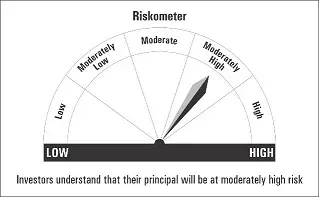 |
| |
| Axis Retirement Fund - Dynamic Plan | |
| This product is suitable for investors who are seeking*: | 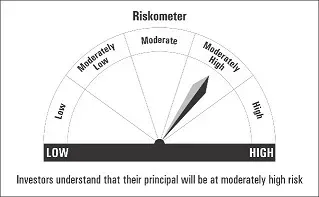 |
| |
| Axis Retirement Fund - Conservative Plan | |
| This product is suitable for investors who are seeking*: | 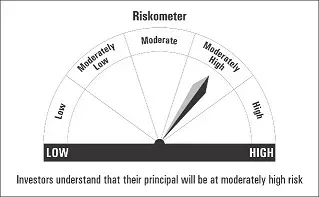 |
| |
* Investors should consult their financial advisers if in doubt about whether the product is suitable for them.
Mutual Fund Investments are subject to market risks, read all scheme related documents carefully.
Calculator
View All








Mutual fund investments are subject to market risks, read all scheme related documents carefully.
Copyrights  2020. All rights reserved Axis Mutual Fund.
Privacy | Terms | Disclaimer | Sitemap